Presbyopia Treatment and Home Care: What an Eye Doctor May Offer and What You Can Do Daily
Trouble reading small print in your 40s is common, and it usually has a name: presbyopia. It is a normal, age-related change in near focusing, and several well-established options can make close work comfortable again[1]. This page covers the medical treatments an eye doctor may use, daily habits that help, and what not to rely on.
- Presbyopia is a normal age-related loss of near focus that usually becomes noticeable in the 40s and keeps changing over time.
- Glasses, multifocal or monovision contacts, and surgery are the main medical options, and an eye doctor can help match one to your needs.
- Good lighting, larger text, regular breaks, and consistent use of your correction make close work easier.
- No proven way to prevent presbyopia was found in the sources reviewed, but healthy habits and regular exams support overall eye health.
- Do not rely on supplements, exercises, or guessed-strength readers, and get sudden vision changes checked promptly.
What presbyopia is and why it keeps changing
Presbyopia is the gradual loss of the eye's ability to focus on nearby objects. It is part of aging, not a disease, and it typically becomes noticeable in the early to mid-40s[1][2].
Common signs include holding books or phones farther away, needing brighter light to read, and tired eyes after close work. Because the change continues over time, a prescription that works well now may need updating later[1].
Presbyopia is one of several refractive errors, which are focusing problems that stop light from landing correctly on the retina[3]. Many people have presbyopia alongside nearsightedness, farsightedness, or astigmatism. That is why a full eye exam matters more than a quick guess at a magnification strength.
Medical treatments an eye doctor may use
Treatment for presbyopia mostly means helping the eye focus up close with a lens or a procedure. The right choice depends on your other vision needs, your lifestyle, and the health of your eyes. An eye doctor can explain the trade-offs.
Eyeglasses
Glasses are the most common starting point[1]. Options include:
- Reading glasses, used only for close work.
- Bifocals, with a distinct lower segment for near vision.
- Progressive (multifocal) lenses, which change gradually from distance to near without a visible line.
People who already wear glasses for distance often move to bifocals or progressives. People who see well at a distance may only need readers[2].
Contact lenses
Contacts can also correct presbyopia. Multifocal contact lenses build several focusing zones into one lens. Monovision fits one eye for distance and the other for near[1][2]. Some people adapt easily. Others find the trade-off in depth perception or sharpness hard to accept, so a trial period with an eye doctor is often worthwhile.
Surgery
Surgical options exist for people who want less dependence on glasses or contacts. These include laser procedures and lens-based procedures[1][2]. Surgery carries risks and may not remove the need for reading glasses entirely, so it is a decision to make carefully with a surgeon who has examined your eyes.
Other options
New approaches to presbyopia are still emerging, including prescription eye drops. Whether any of them suits you depends on your eye health and goals, so it is a question for your eye doctor rather than something to try on your own.
Daily habits and home care that make near work easier
Home care does not change the underlying focusing change, but it can make everyday tasks more comfortable while you use your prescribed correction.
- Use good lighting. Brighter, well-placed light on reading material can make small print easier to see. Aim it at the page rather than into your eyes.
- Wear your correction consistently. Squinting and holding things at arm's length can add to tiredness.
- Take short breaks from close work. Looking up and into the distance regularly may ease eye strain during long reading or screen sessions.
- Increase text size. Larger fonts on phones, tablets, and computers reduce effort.
- Keep a pair of glasses where you need them. A pair near the kitchen, bedside, or desk avoids the habit of squinting.
Over-the-counter reading glasses are an option for some people with presbyopia. They are still best chosen after an eye exam, because the two eyes may need different strengths and other eye conditions can go unnoticed[2]. If readers give you headaches or never feel quite right, ask for a prescription.
Prevention: what is and is not possible
Presbyopia is a normal part of aging, and the sources reviewed do not describe any proven way to prevent it[1][2]. What you can do is protect your overall eye health and catch other problems early.
The National Eye Institute recommends habits that support long-term eye health[4]:
- Get a comprehensive dilated eye exam.
- Eat a healthy diet that includes plenty of fruits and vegetables.
- Maintain a healthy weight and stay physically active.
- Do not smoke.
- Wear sunglasses that block ultraviolet rays.
- Use protective eyewear for sports and hazardous tasks.
These steps will not stop presbyopia, but they support eye health in general. Regular exams also help identify conditions such as cataracts, which can be mistaken for a simple need for stronger glasses.
What not to rely on
Presbyopia can create a market for quick fixes. A few cautions:
- Supplements. The sources reviewed for this page do not show that any vitamin, herb, or eye-health formula treats or reverses presbyopia. A balanced diet is part of general eye care[4], but a pill is not a substitute for a lens or a medical procedure.
- Eye exercises. The sources reviewed do not describe exercises as a way to correct presbyopia. Rest breaks may help comfort, but that is different from restoring focusing ability.
- Ever-stronger drugstore readers without an exam. Self-selecting a strength can hide a different problem or leave one eye under-corrected[2].
- Ignoring a sudden change. Presbyopia develops gradually. Sudden or one-sided blurry vision, eye pain, flashes, or new floaters need prompt attention from an eye doctor.
Be wary of any product that promises to cure presbyopia or restore youthful vision. No supplement has been shown to do that in the sources reviewed here.
When to see an eye doctor
Book an exam if close-up reading has become difficult, if your current glasses no longer help, or if you have not had a comprehensive exam in a while[4]. An eye doctor can confirm whether presbyopia is the cause, check for other conditions, and discuss glasses, contacts, or surgery based on your situation.
Seek care promptly for sudden vision changes, eye pain, or any change that affects only one eye.
Eye supplements we have reviewed
Want to compare products? Read what the research says about nutrients for presbyopia first, then compare the products below.
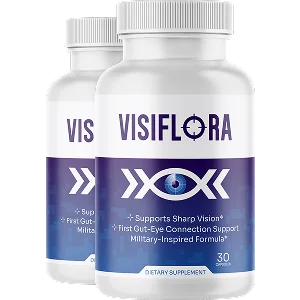
VisiFlora
Listed ingredients: Astaxanthin, Vitamin C, Vitamin E, Copper, Selenium, Chromium
TheyaVue
Listed ingredients: Lutein, Zeaxanthin, Vitamin C, Calcium, Vitamin E, Bilberry Extract
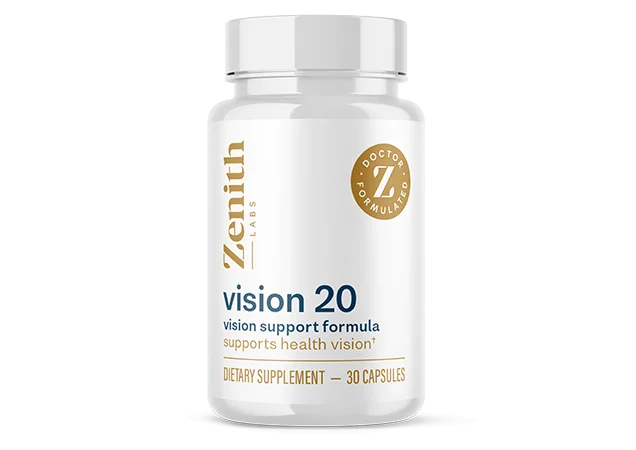
Vision 20
Listed ingredients: Lutein, Zeaxanthin, Zinc, Beta-carotene, Lycopene, Rose Hips
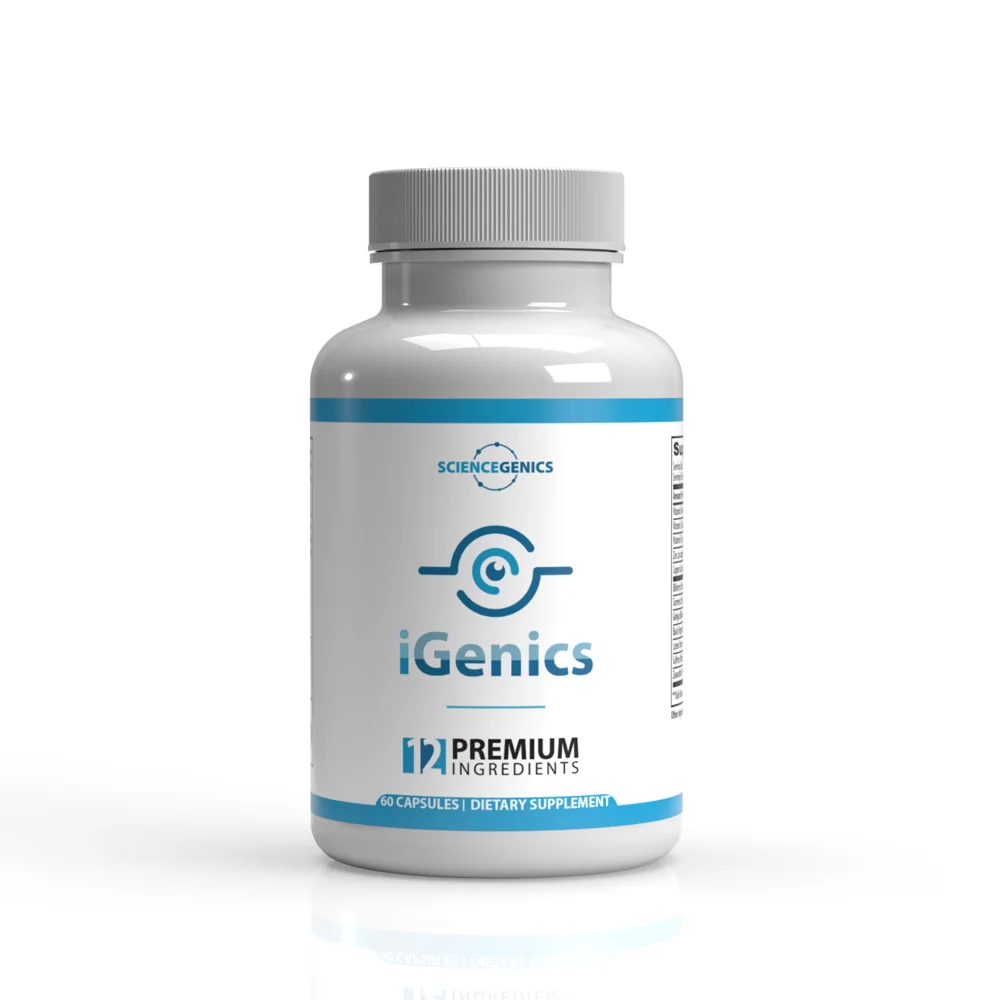
iGenics
Listed ingredients: Ginkgo biloba, AREDS-2 formula ingredients (not itemized), Bilberry, Saffron, Turmeric + BioPerine
Frequently asked questions
Can presbyopia be cured?
Presbyopia is a normal change in the eye with age, and the options described by eye care organizations correct near vision rather than reverse the change itself[1][2]. Glasses, contacts, and surgery can make close work comfortable. An eye doctor can explain which option fits your eyes and lifestyle.
Are over-the-counter reading glasses safe to use?
They are an option for some people with presbyopia[2]. An eye exam first is still wise, since your eyes may need different strengths and the exam can find other conditions. If readers cause headaches or discomfort, ask about a prescription.
Will my presbyopia keep getting worse?
The change typically continues over time, so your near-vision correction may need updating periodically[1]. Regular eye exams let your eye doctor adjust your prescription as needed.
Do eye vitamins help with presbyopia?
The sources reviewed do not show that vitamins or supplements treat or reverse presbyopia. Eating a healthy diet is part of general eye care[4]. Talk with your eye doctor or pharmacist before starting a supplement.