Presbyopia Signs & Symptoms: What to Notice, When to Act, and What an Eye Exam Involves
Needing to hold a menu at arm's length is often the first hint of presbyopia, a common age-related change in near focus.[1] This page covers the usual signs, how an eye doctor confirms the cause, which symptoms should not wait, and what happens at an exam. It is general information and does not replace a diagnosis from an eye care professional.
- Presbyopia is a common age-related loss of near focus that most people first notice in their 40s.[1]
- Typical signs include blurry small print, holding things farther away, and eyestrain or headaches after close work.[2]
- Only an in-person eye exam can confirm the cause of blur, and a dilated exam also checks for other eye conditions.[3]
- Sudden vision loss, new flashes or floaters, a curtain over vision, eye pain, or double vision need same-day eye care.
- Healthy habits support eye health overall, but they do not stop presbyopia from developing.[3]
What presbyopia is, in plain terms
Presbyopia is an age-related condition that makes it harder to see things up close.[1] It happens because the eye's lens gradually becomes less flexible, so it cannot change shape as easily to focus on near objects.[2]
It is grouped with other refractive errors, which are problems with how the eye focuses light.[4] Unlike some of those, it is tied to aging rather than eye shape, and most people first notice it in their 40s.[1]
The change is gradual. Many people adjust without realizing it, for example by tilting a phone or turning up a light, until the workarounds stop working.
Common signs and symptoms
Near-vision trouble tends to show up in everyday tasks. Signs listed by eye health organizations include:[1][2]
- Trouble reading small print, such as labels, menus, or text messages
- Holding books, phones, or other reading material farther away to see them clearly
- Blurry vision at a normal reading distance
- Eyestrain or headaches after reading or doing close work
Some people also find they need brighter light for close tasks. Vision may seem to go in and out of focus late in the day or when tired. These patterns are common, but they are not specific to presbyopia, so an exam is the only way to know the cause.
If near blur comes with other symptoms, or if distance vision is also changing, other causes are possible. Reading about blurry vision more broadly can help you describe what you notice to your doctor.
Presbyopia versus eye strain and other causes
Close-up focusing effort can leave the eyes tired and uncomfortable. Headaches or tired eyes after close work are among the recognized symptoms of presbyopia, so the two often overlap.[2] If you want background on tired eyes from screens and close work, see this guide to eye strain.
Presbyopia is also not the only reason vision can change in midlife or later. Other refractive errors, such as nearsightedness, farsightedness, and astigmatism, can blur vision and can occur alongside presbyopia.[4] Other eye conditions, such as cataracts, can also affect how clearly you see, which is one reason a full exam matters before assuming reading glasses will solve everything.
A useful clue is timing. Blur that creeps up slowly over months or years, mainly at near distance, fits the typical pattern of presbyopia. Blur that arrives suddenly, affects only one eye, or comes with pain does not fit that pattern and needs prompt attention.
Red flags: when to get urgent or same-day eye care
Presbyopia itself develops slowly and is not an emergency. Certain symptoms point to a different problem and should be checked right away. Call an eye doctor the same day, or go to an emergency department if you cannot reach one, for:
- Sudden loss of vision, in one eye or both, even if it partly returns
- A sudden shower of new floaters, flashes of light, or a dark curtain or shadow over part of your vision
- Eye pain, especially with redness, nausea, or seeing halos around lights
- New double vision
- Sudden distortion, such as straight lines looking wavy
- Vision changes after an eye injury, or after a head injury
- Vision changes along with weakness, trouble speaking, or a severe headache
This list is a safety guide, not a full list of every urgent situation. When in doubt, call. It is better to be told a symptom is minor than to wait on something that is not.
Also book a routine visit if near vision keeps changing, if glasses you bought no longer seem to help, or if you have headaches that seem tied to reading.
How presbyopia is diagnosed
Presbyopia is diagnosed through an eye exam. A comprehensive dilated eye exam is the standard way eye care professionals check your vision and eye health.[3] For refractive problems, the exam includes tests to measure how your eyes focus and which lens strength gives you the clearest vision.[4][2]
There is no blood test, home screening, or supplement-based marker that confirms presbyopia. Online or app-based vision checks cannot replace an in-person exam, because they cannot look at the internal structures of the eye.
The exam also matters because it can find other eye conditions that cause no early symptoms. The National Eye Institute recommends regular dilated eye exams as part of keeping your eyes healthy.[3] For more on protecting vision over time, see this overview of eye health.
What to expect at an eye exam
A typical visit takes a bit of time, so plan for it. The exact steps vary by clinic, but a comprehensive exam commonly includes the following.[3][2]
Before the visit
- Bring your current glasses or contact lenses, and any lens prescriptions.
- Bring a list of your medicines and any supplements, and note any family history of eye disease.
- Write down when symptoms occur, such as at work, on screens, or in dim light.
- Bring sunglasses, since dilating drops can make bright light uncomfortable afterward, and consider arranging a ride.
During the visit
- History: The doctor asks about your symptoms, health conditions, and daily visual demands.
- Visual acuity: You read letters on a chart, at distance and up close.
- Refraction: You compare lens options to find the prescription that gives the clearest vision, which is how the need for near correction is identified.
- Eye health check: After dilating drops, the doctor looks at the lens, retina, and optic nerve for signs of other conditions.
What you do next depends on the findings. Options for presbyopia include reading glasses, multifocal lenses, contact lenses, drops, or surgery, and the right fit depends on your eyes and lifestyle. Ask your doctor which options suit your work, hobbies, and any other eye findings.
Questions worth asking
- Is my near vision change typical for my age, or is something else going on?
- Do I need a full prescription or only reading correction?
- How often should I come back for exams?
Habits that support aging eyes
No habit stops the lens from stiffening, and no supplement has been shown in the sources reviewed here to prevent or reverse presbyopia. General eye-healthy habits are still worth building. The National Eye Institute recommends getting dilated eye exams, eating a healthy diet, staying physically active, wearing sunglasses, not smoking, and knowing your family history.[3]
Good lighting for close tasks and regular breaks can also make near work more comfortable, though these steps do not change the underlying lens change.
Eye supplements we have reviewed
Want to compare products? Read what the research says about nutrients for presbyopia first, then compare the products below.
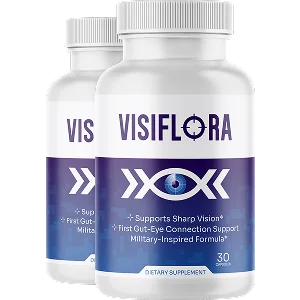
VisiFlora
Listed ingredients: Astaxanthin, Vitamin C, Vitamin E, Copper, Selenium, Chromium
TheyaVue
Listed ingredients: Lutein, Zeaxanthin, Vitamin C, Calcium, Vitamin E, Bilberry Extract
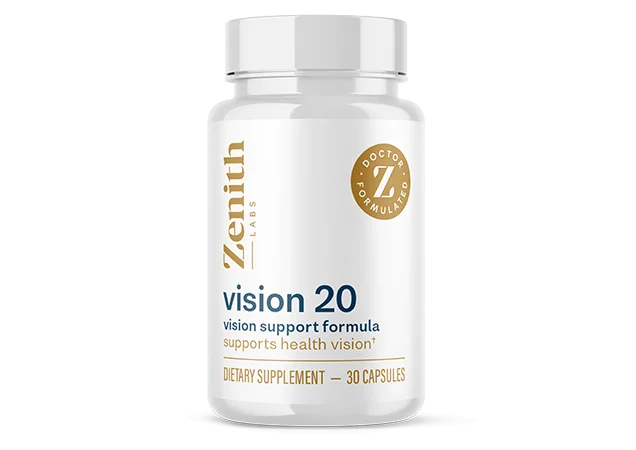
Vision 20
Listed ingredients: Lutein, Zeaxanthin, Zinc, Beta-carotene, Lycopene, Rose Hips
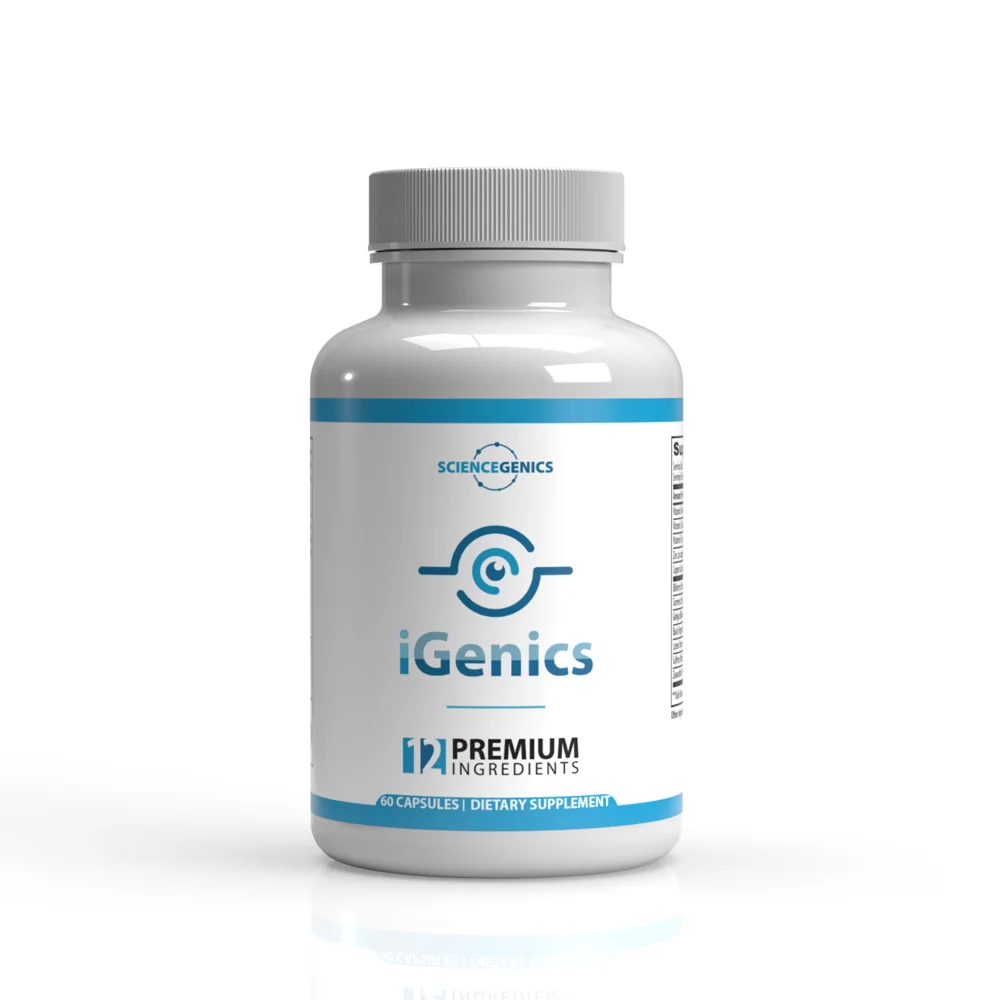
iGenics
Listed ingredients: Ginkgo biloba, AREDS-2 formula ingredients (not itemized), Bilberry, Saffron, Turmeric + BioPerine
Frequently asked questions
At what age do presbyopia symptoms usually start?
Most people first notice trouble with near vision in their 40s.[1] The timing varies from person to person, and the change is usually gradual.
Can I diagnose presbyopia at home?
No. Trouble reading small print may suggest it, but other causes can look similar. An eye exam with refraction testing is how the cause is confirmed, and a dilated exam also checks overall eye health.[4][3]
Is sudden blurry near vision a sign of presbyopia?
Presbyopia typically develops gradually. Sudden blur, vision loss, new flashes or floaters, or eye pain are not typical, and they call for same-day eye care.
Do I need a dilated exam just to get reading glasses?
A comprehensive dilated eye exam is recommended as part of keeping eyes healthy, not just to find a prescription.[3] Ask your eye doctor how often you should have one based on your age, health, and family history.