Presbyopia FAQ: Common Questions About Near Vision Changes After 40
Trouble reading small print in your 40s can be unsettling, but it is very common. This page answers the questions people ask most often about presbyopia, including what it is, what the options are, and which daily habits may support healthy aging eyes. None of this replaces an exam: only an eye doctor can diagnose the cause of vision changes and recommend treatment.
- Presbyopia is an age-related loss of near focusing that commonly becomes noticeable in the 40s.
- It is not a disease of the eye surface or a sign of neglect, and it cannot be prevented by exercises or supplements.
- Glasses, contact lenses and surgery are the main correction options, and an eye doctor can help you choose.
- Healthy habits such as a nutritious diet, not smoking, UV protection and regular eye exams support overall eye health.
- Any sudden or painful vision change needs prompt professional care.
How to use this page
The answers below are general information drawn from major eye health organizations. Presbyopia is one of several possible reasons for near-vision trouble, so a sudden change, pain, flashes of light or new floaters should be checked by an eye doctor promptly.
For related reading, see the guides on blurry vision and eye strain.
What to ask at your eye exam
Bring a list of when and where your vision feels off, such as reading, phone use or computer work. Mention any glasses or contacts you already wear, and any health conditions or medicines.
Ask which correction fits your daily routine, and whether your eyes are healthy overall. A comprehensive exam is how presbyopia is identified and how other eye conditions are ruled out[1].
Eye supplements we have reviewed
Want to compare products? Read what the research says about nutrients for presbyopia first, then compare the products below.
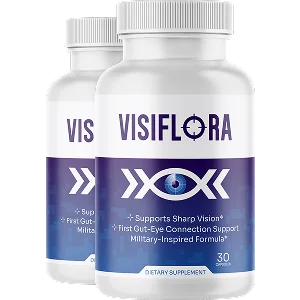
VisiFlora
Listed ingredients: Astaxanthin, Vitamin C, Vitamin E, Copper, Selenium, Chromium
TheyaVue
Listed ingredients: Lutein, Zeaxanthin, Vitamin C, Calcium, Vitamin E, Bilberry Extract
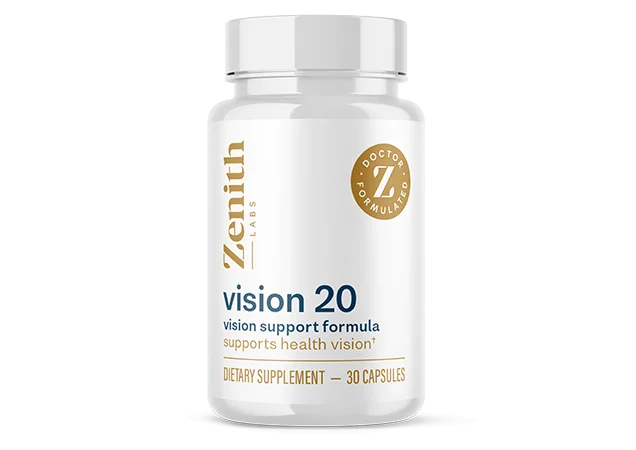
Vision 20
Listed ingredients: Lutein, Zeaxanthin, Zinc, Beta-carotene, Lycopene, Rose Hips
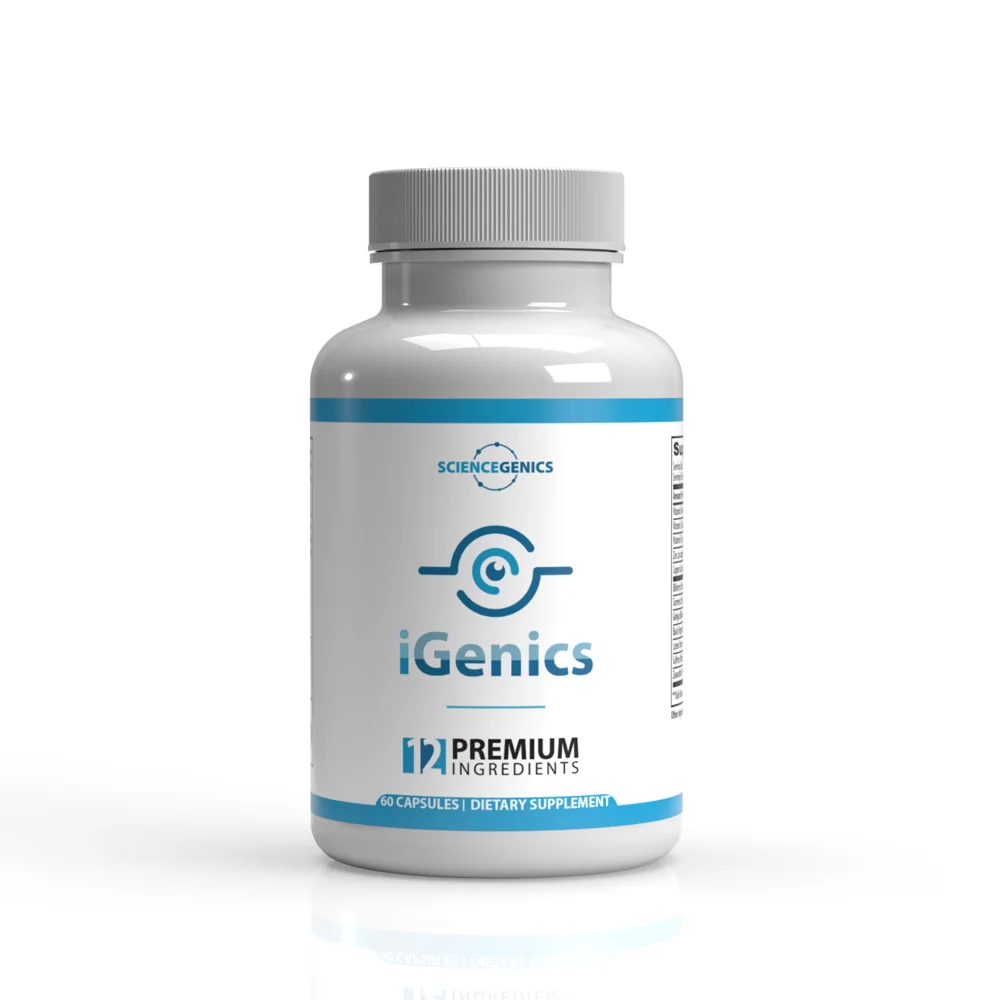
iGenics
Listed ingredients: Ginkgo biloba, AREDS-2 formula ingredients (not itemized), Bilberry, Saffron, Turmeric + BioPerine
Frequently asked questions
What is presbyopia?
Presbyopia is a common, age-related condition in which the eye gradually loses the ability to focus on close objects[1]. It is considered a type of refractive problem, meaning light is not focused correctly on the retina[2]. It is a normal part of aging rather than a sign that something has gone wrong.
At what age does presbyopia start?
Most people first notice it in their 40s, and it tends to keep changing for some years afterward[3]. The timing varies from person to person. Needing stronger reading help over time is common, which is why periodic exams matter.
What are the signs of presbyopia?
Typical signs include holding books, menus or phones farther away to read them, blurry text at normal reading distance, and tired eyes or headaches after close work[1]. Print may seem easier to read in bright light. Because these signs overlap with eye strain and other problems, an exam is the only way to know the cause.
What causes presbyopia?
Inside the eye, the lens changes shape to focus on near objects. With age, the lens becomes less flexible, so it cannot adjust as easily for close work[3]. Nothing you did caused it, and it affects people who have never needed glasses before.
Is presbyopia the same as nearsightedness or farsightedness?
No. Nearsightedness, farsightedness and astigmatism are refractive errors related mainly to the shape of the eye or cornea, and they often appear earlier in life[2]. Presbyopia is tied to aging of the lens and can occur on its own or along with those conditions. Many people with existing glasses find they need an added near-vision correction in midlife.
What are the options for correcting presbyopia?
Common options include reading glasses, bifocals or progressive lenses, and multifocal or monovision contact lenses[1]. Some people consider surgery, such as certain refractive procedures or lens implants[3]. Each choice has trade-offs for comfort, cost, convenience and how you use your eyes, so a conversation with an eye doctor is the best starting point.
Are over-the-counter reading glasses okay?
Ready-made readers can be a simple, short-term way to see close up for some people. They are not tailored to each eye, though, and they do not check eye health. An exam is still recommended so that any other condition is not missed[1].
Are there eye drops for presbyopia?
The sources used for this page do not detail drop-based options, so no claims are made here about their effectiveness or safety. If you are curious, ask an eye doctor whether any prescription option suits your eyes and what the possible side effects are. Do not use leftover or unprescribed drops for blurry near vision.
Can diet, supplements or eye exercises prevent or reverse presbyopia?
No source used here shows that diet, supplements or eye exercises prevent or reverse presbyopia. What the National Eye Institute does recommend for healthy eyes is eating a nutritious diet that includes leafy greens and fish, staying active, not smoking, wearing UV-blocking sunglasses and getting regular dilated eye exams[4]. These habits may support long-term eye health, and they matter because other age-related conditions, such as cataracts, can also affect vision.